
What is Casting Defects? Gas Porosity and Shrinkage
What is Casting Defects?
Casting defects happen when undesired irregularity happens in the metal casting process, there is many types of defects in the metal casting industry as such:
- Gas porosity
- Shrinkage
- Mould material defects
- Pouring metal defects
- Metallurgical defects
Because there is many type if defects, in this article we focused on gas porosity and shrinkage defects.
The difference between Gas Porosity vs Shrinkage
Porosity
We can say that porosity is categorized as the most common casting defect in the casting process, there are many things related to this type of defects like gas, air, and shrinkage porosity. Before we started let’s talk about Gas and Shrinkage Porosity.
Gas Porosity
Gas Porosity happened because most liquid materials can hold a large number of gas materials but when it comes to solid materials it can’t, so the air dispersed as a small sphere of high-pressure air when the metal fills the cavity.

Image 1. Small holes because gas porosity defects
How to stop gas porosity defects?
In short, preventing gas porosity can be done by these solution, the materials may be melted in a vacuum, in an environment of low-solubility gases that prevents contact with the air, use dry out mold and cores before use and store dry, increasing the solidification rate (reducing the metal temperature during casting) so the gas porosity won’t happen.
Shrinkage
Shrinkage usually happens when a standard metal feeds not available to compensate for shrinking as the thick metal solidifies. This type of defect will have a linear like jagged appearance, we can divide shrinkage into two different types.
1. Open Shrinkage
Firstly, Open Shrinkage defects are open to the atmosphere. air compensated as the shrinkage cavity forms. There are two types of air shrinkage. Firstly pipes type, these types are open shrinkage defects that form at the surface and burrow into the casting. Secondly caved types are shallow cavities that form across the surface of the casting.
2. Closed Shrinkage
Secondly, Closed Shrinkage is a type of defect that forms within the casting. Isolated pools of liquid form inside solidified metal called hot spots. The shrinkage defect usually forms at the top of the hot spots. They require a nucleation point, so impurities and dissolved gas can induce closed shrinkage defects.

Linear and jagged appearance because shrinkage defects.
How to stop shrinkage defects?
To sum up shrinkage defects can be avoided using these techniques:
- Use a running gating system design with risers that ensure a continuous flow of molten metal, so shrinkage defects will not happen.
- Reduce casting temperature to limit the total volume deficit.
- Produce Uniformly Strong and Rigid Molds.
Here in Zenith Allmart
Most Importantly here in Zenith Allmart Precisindo we employs a team of experts with 20 years of experience in precision casting/lost-wax casting industry. As a result we have cast a wide variety of products, from a small medical implant to a large impeller and we can definitely design the gating system of your products. Any inquiries related to investment casting , Contact us!
Have inquires that need Invesment Casting?

Gating System of Investment Casting
Our first article made investment casting seems so simple, as if you only need to make wax pattern, make mold, melt metal, and pour the metal into the mold. Unfortunately, the actual metallurgy practice is more complicated than that. This article helps understanding:...
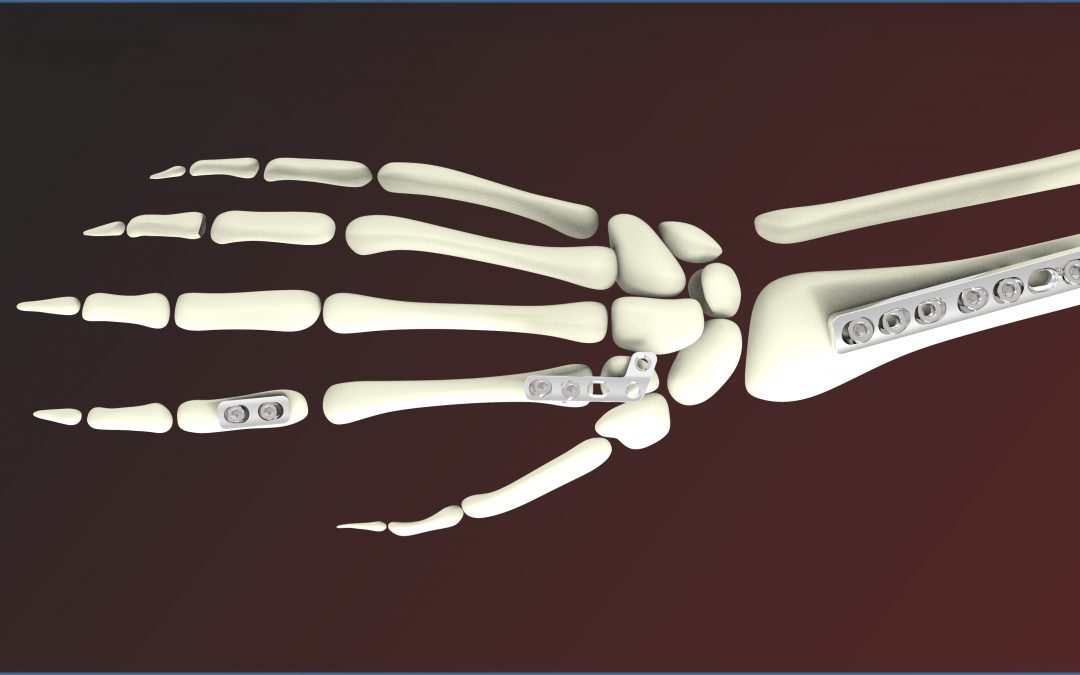
Precision Casting for Medical Industries
This article discusses why precision casting technique is interesting for the medical implant casting. As already well-known, precision casting is a reliable and versatile technique for the manufacture of precision products. These traits support the penetration of...
What is steel grade classification?
Steel Steel is the powerhouse metal for engineering applications because of its high tensile strength. In addition, steels are econominal for industrial use because of their inexpensive cost and supply stocks. The steel manufacturing technology is one of the...
What is precision casting?
What is precision casting? Precision casting (also called investment casting, lost-wax casting,and cire perdue) is a metal shaping technique to form near net-shaped products. The basic casting principle is to pour and to fill molten metal into a disposable ceramic...