
Preparing Shell for Lost Wax Casting
Description
The Investment Casting Process is to coat multiple layers of refractory coatings on the surface of the wax mold. Afterward, it is dried and hardened, the wax mold is melted by heating to obtain a shell with a cavity that matches the shape of the wax mold. After the baking process, it is poured and using methods of obtaining castings, so this process is also called lost wax casting. Along with the improvement, research, and development now new wax molding processes continue to appear and now the variety of materials available for molding is increasing.
Preparation The Shell for Lost Wax Casting
The mold that is used in Investment casting is generally used in a shell of multilayer refractory materials. After the module is dipped and coated with a refractory coating, sprinkle the granular refractory material, and then dry and harden. Keep repeating this process until the refractory material layer reaches the required thickness. In this process, a multi-layer shell is formed on the module, which is usually parked for a period of time to be fully dry and hardened, and then de-molded to obtain a multi-layer shell. Several multi-layer shells need to be filled with sand, and some do not. They can be poured directly after the roasting, which is called a high-strength shell.
The quality of the shell means the quality of the casting. According to the working of shells, The requirements of the shell include :
- It should have high normal temperature strength, suitable high-temperature strength, and low residual strength
- I should have good air permeability ( especially high-temperature air permeability) and thermal conductivity
- The linear expansion coefficient should be small, and the thermal expansion is low and the expansion is consistent.
- Should have great resistance to rapid cold and heat and thermochemical stability.
The properties of the shell above are closely related to the materials used in the shell making and the shell-making process. Shell materials include refractory materials, solvents, binders, surfactants, hardeners, etc. And among them, the refractory material and the binder directly form the shell, which is the main shell material. Refractory materials that are used in investment casting are mainly silica sand, aluminosilicate refractories, and corundum, and sometimes magnesia and zircon sand is used.
The powdered refractory material and binder are prepared into the refractory coating, and the granular refractory material is sprinkled on the refractory coating when the shell is made. Binders used in refractory coatings mainly include ethyl silicate hydrolysate, water glass, and silica sol. The paint prepared with ethyl silicate has excellent coating properties, high shell strength, small thermal deformation, high dimensional accuracy of the obtained castings, and good surface quality. It is usually used to produce important alloy steel castings and other castings with high surface quality requirements. The SiO2 content of ethyl silicate produced in China is generally 30% to 34% (mass fraction), so it is called ethyl silicate 32 (32 represents the average mass fraction of SiO2 in ethyl silicate). Ethyl silicate can play a binding role only after hydrolysis
.The coating shell prepare with ethyl silicate has low dimensional accuracy and high surface roughness, unlike the coating shell prepared with water glass is easier to deform and crack. Silica sol also known as silica sol binder is an aqueous solution of silicic acid. Its price is 1/3 – 1/2 lower than ethyl silicate, but the quality of castings produced by using silica sol as a binder is higher than water glass. Silica sol has good stability and can be stored for a long time and it does not require special hardeners when making the shells. The main part of shell making includes module degreasing, coating and sanding, drying and hardening, de-molding, and roasting.



Contact Us

Gating System of Investment Casting
Our first article made investment casting seems so simple, as if you only need to make wax pattern, make mold, melt metal, and pour the metal into the mold. Unfortunately, the actual metallurgy practice is more complicated than that. This article helps understanding:...
Precision Casting for Medical Industries
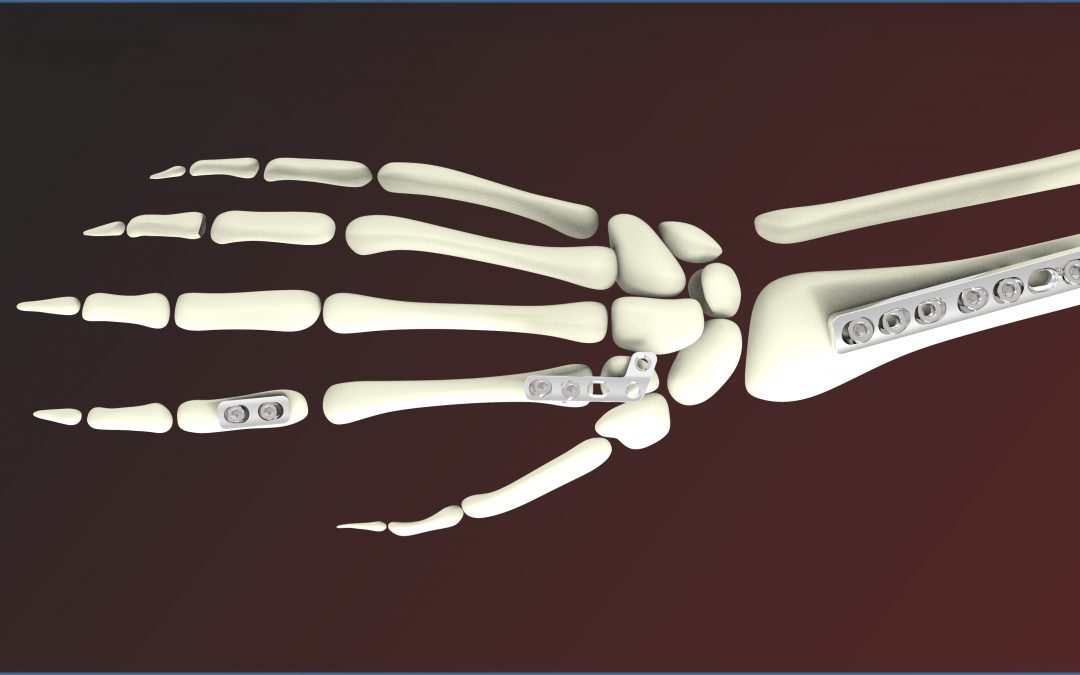
This article discusses why precision casting technique is interesting for the medical implant casting. As already well-known, precision casting is a reliable and versatile technique for the manufacture of precision products. These traits support the penetration of...
What is steel grade classification?
Steel Steel is the powerhouse metal for engineering applications because of its high tensile strength. In addition, steels are econominal for industrial use because of their inexpensive cost and supply stocks. The steel manufacturing technology is one of the...
What is precision casting?
What is precision casting? Precision casting (also called investment casting, lost-wax casting,and cire perdue) is a metal shaping technique to form near net-shaped products. The basic casting principle is to pour and to fill molten metal into a disposable ceramic...